



ServiceNow Integrated Risk Management (IRM / GRC) Training is designed for students, freshers, and working professionals who want to build a career in risk management, compliance, governance, and ServiceNow implementation. This course covers key modules such as Policy and Compliance Management, Risk Management, Audit Management, Vendor Risk Management, Controls Testing, Issue Management, dashboards, and workflow automation. Learners gain practical knowledge through real-time projects, hands-on exercises, and live implementation scenarios guided by experienced trainers. The training helps candidates understand how organizations use the ServiceNow platform to identify risks, manage audits, improve regulatory compliance, and automate internal control processes. Candidates also learn reporting, user roles, notifications, integrations, and best practices for enterprise risk solutions. This program includes resume guidance, interview preparation, certification support, and placement assistance to help learners become job-ready. After completing the course, candidates can apply for roles such as ServiceNow IRM Consultant, GRC Developer, Risk Analyst, Compliance Consultant, and Audit Management Specialist.
ServiceNow Integrated Risk Management (IRM / GRC) Training
ServiceNow Integrated Risk Management (IRM / GRC) helps organizations manage risk, compliance, audits, and policies. Learn practical implementation skills with real-time training and projects.
Level
Advanced
Duration
8 weeks
Placement Client


.png)










About ServiceNow Integrated Risk Management (IRM / GRC) Training
Training Plan

About trainer
Working professional who is carrying more then 10 years of industry experience.

Decks & Updated Content
Access to updated presentation decks shared during live training sessions.

e-Book
E-book provided by TechPratham. All rights reserved.

Assignments & MCQs
Module-wise assignments and MCQs provided for practice.

Video Recording
Daily Session would be recorded and shared to the candidate.

Projects
Live projects will be provided for hands-on practice.

Resume Building
Expert-guided resume building with industry-focused content support.

Interview Preparation
Comprehensive interview preparation with real-time scenario practice.
ServiceNow IRM / GRC Course Curriculum
Introduction to ServiceNow IRM / GRC
Learn the fundamentals of ServiceNow IRM / GRC, including risk management, compliance processes, governance controls, audit workflows, platform navigation, core modules, and how organizations use ServiceNow to automate enterprise risk and regulatory requirements.
Policy & Compliance Management
Learn Policy & Compliance Management in ServiceNow IRM, including policy creation, control mapping, regulatory compliance tracking, attestations, exception handling, automated workflows, and how organizations manage internal policies and audit readiness efficiently.
Risk Management
Risk Management in ServiceNow IRM, including risk identification, risk assessment, risk scoring, mitigation planning, issue tracking, control monitoring, dashboards, and how organizations manage operational, financial, and compliance risks effectively.
Audit Management
Audit Management in ServiceNow IRM, including audit planning, audit lifecycle, evidence collection, findings management, remediation tracking, control testing, automated workflows, and how organizations improve internal and external audit processes.
Third-Party Risk & Vendor Management
Learn Third-Party Risk & Vendor Management in ServiceNow IRM, including vendor onboarding, risk assessments, due diligence, contract compliance, issue remediation, continuous monitoring, and managing supplier risks through automated workflows.
Advanced IRM Automation
Learn Advanced IRM Automation in ServiceNow, including workflow automation, approvals, notifications, risk response tasks, policy attestations, integrations, dashboards, reporting, and streamlining governance, risk, and compliance operations efficiently.
ServiceNow Courses
No related courses found
Additional Program Highlights
Comprehensive study materials and resources

Professional resume building session

Master your interview skills
Real-world project demonstrations
Upcoming Batches
Can't find a batch you were looking for?
Who Should Join ServiceNow IRM / GRC Training?
IT Professionals
Non-IT Career Switchers
Fresh Graduates
Working Professionals
Ops/Administrators/HR
Developers
BA/QA Engineers
Cloud / Infra
IT Professionals
Non-IT Career Switchers
Fresh Graduates
Job Roles After ServiceNow IRM Training
ServiceNow IRM Consultant
ServiceNow GRC Developer
ServiceNow IRM Technical Architect
ServiceNow IRM Solution Architect
ServiceNow Risk Management Specialist
ServiceNow Policy and Compliance Analyst
ServiceNow Audit Management Consultant
ServiceNow Third-Party Risk Management Specialist
ServiceNow IRM Business Analyst
ServiceNow Controls Implementation Specialist
ServiceNow Regulatory Compliance Consultant
ServiceNow IRM Implementation Lead
ServiceNow IRM Consultant
ServiceNow GRC Developer
ServiceNow IRM Technical Architect
Key Projects
ServiceNow IRM / GRC
Novatech Solution Pvt Ltd – Risk Control Framework
Scenario: Implemented ServiceNow IRM solution to manage enterprise risks controls policy compliance assessments and audit workflows regulatory alignment.
Live Work:
- Configured risk registers
- Designed control assessments
- Automated audit workflows

Deloitte – Enterprise GRC Rollout
Scenario: Delivered integrated GRC implementation covering policy lifecycle risk scoring issue remediation tracking and regulatory reporting governance model.
Live Work:
- Built policy management flows
- Implemented risk scoring model
- Tracked remediation tasks

Apex Global Enterprises – Smart Compliance Setup
Scenario: Executed structured IRM deployment enabling automated control testing continuous monitoring compliance dashboards and third party risk oversight.
Live Work:
- Configured control testing
- Enabled compliance dashboards
- Managed vendor risk reviews

BrightEdge Support Services – Unified Risk Monitor
Scenario: Rolled out ServiceNow IRM modules integrating risk management policy governance audit planning and issue management for proactive oversight.
Live Work:
- Implemented audit planning
- Configured issue tracking
- Developed risk reports
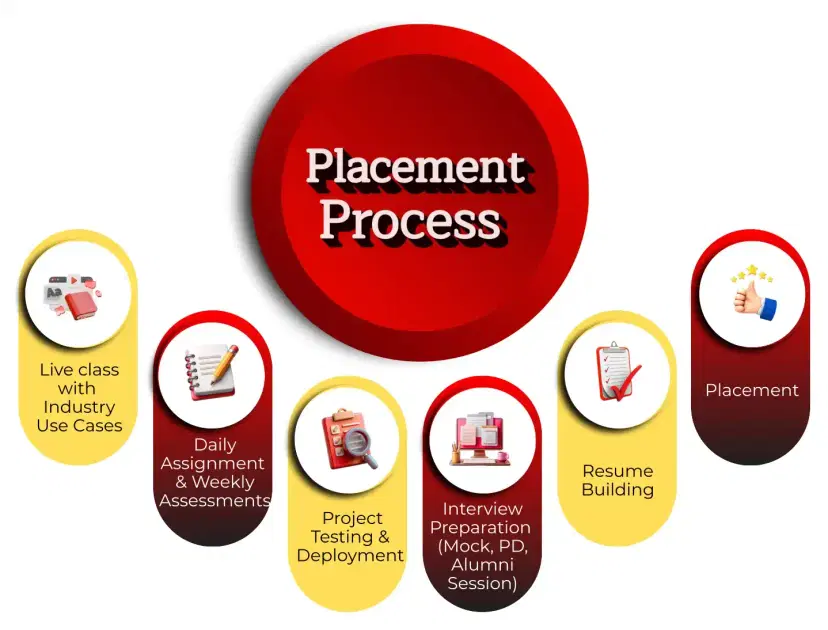
Placement Process

Live Class with Industry Use Cases
- Interactive learning
- Real-world examples
- Expert guidance
- Doubt resolution

Daily Assignment & Weekly Assessments
- Hands-on practice
- Concept reinforcement
- Weekly evaluation
- Timely feedback

Project Testing & Deployment
- Project development
- Testing practice
- Deployment exposure
- Portfolio creation

Interview Preparation (Mock, PD, Alumni Session)
- Mock interviews
- Personal development
- Alumni guidance
- Confidence building

Resume Building
- Resume crafting
- Industry-focused format
- Skills highlighting
- Professional presentation

Placement
- Job assistance
- Interview support
- Career guidance
- Opportunity access
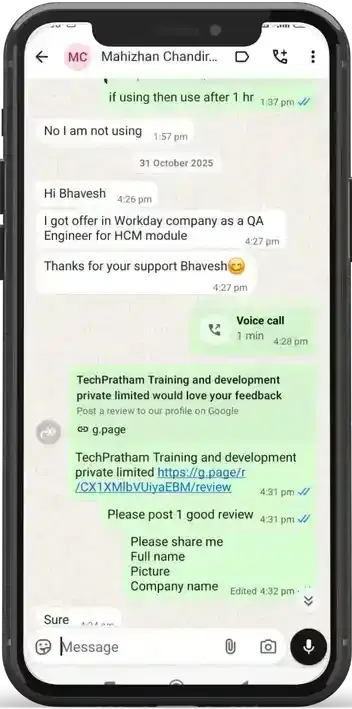
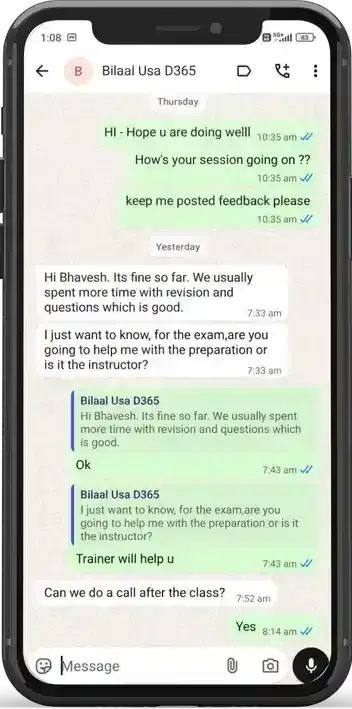
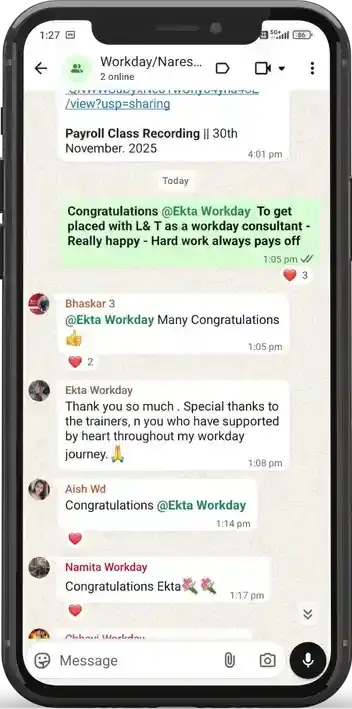
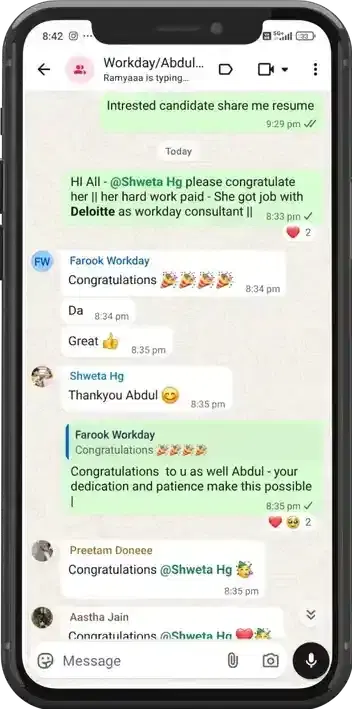
Latest Hiring
Recently Placed Candidates
Latest Hiring
Our Success Mantra
 Commitment
- Ensuring quality training every day
 Fulfillment
- Meeting learning goals with confidence
 Accomplishment
- Students achieving industry-ready expertise
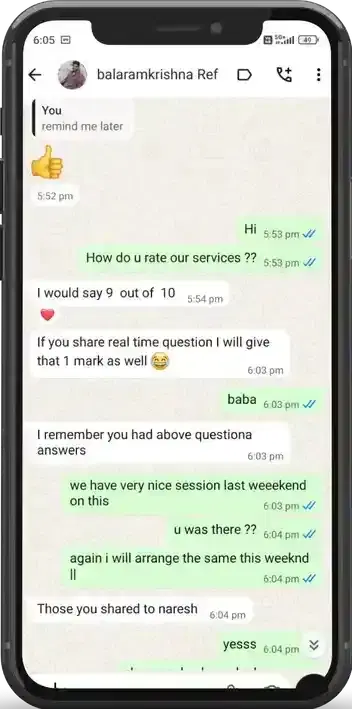
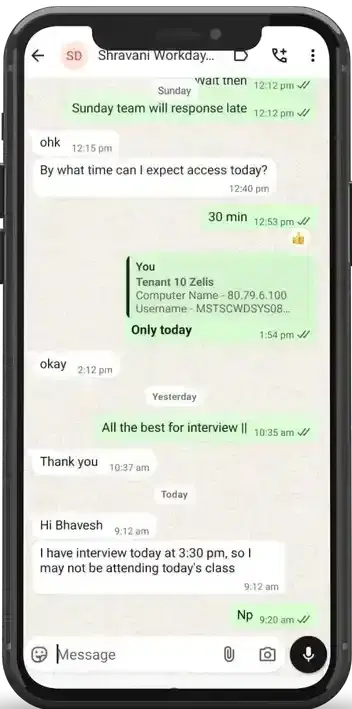
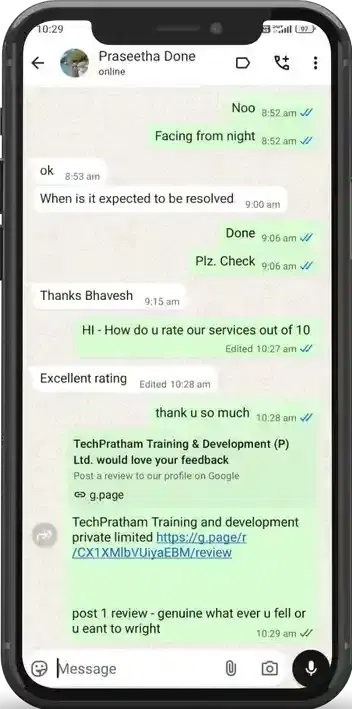
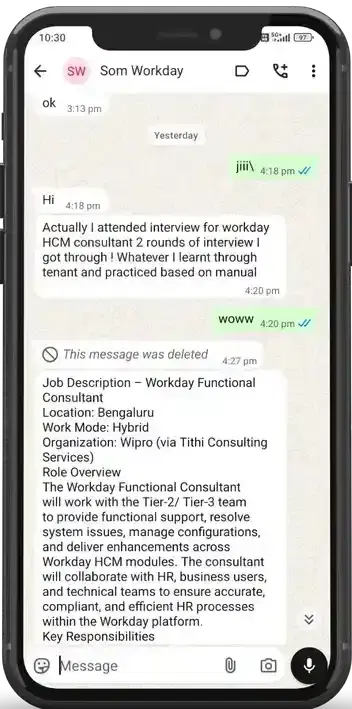
Our Learner Voice
Loading reviews...
Beyond Courses:
Additional Support We Provide
24/7 Support
LinkedIn Profile
Resume Writing
Alumni Sessions
Interview Preparation
Live Projects
What Makes TechPratham Training Different?
What is ServiceNow IRM / GRC?
Who should take this IRM / GRC training?
Why do businesses need ServiceNow Integrated Risk Management?
What modules are included in ServiceNow IRM?
What role do dashboards and analytics play in IRM?
Can you walk me through a specific instance where your ServiceNow Integrated Risk Management (IRM / GRC) Implementation directly improved a client's audit posture?
How do you manage a situation where a client’s internal risk culture resists the automation brought by a ServiceNow Integrated Risk Management (IRM / GRC) Implementation?
How do you architect the "Entity Engine" during a ServiceNow Integrated Risk Management (IRM / GRC) Implementation to ensure it scales for 100k+ assets?
Explain the technical logic for configuring "Advanced Risk Assessments" (ARA) with multi-dimensional scoring in a ServiceNow Integrated Risk Management (IRM / GRC) Implementation.
In a ServiceNow Integrated Risk Management (IRM / GRC) Implementation, how would you handle "Inherited Risks" across a parent-child business unit hierarchy?
How do you resolve "Policy Exceptions" that conflict with mandatory "Authority Documents" during a ServiceNow Integrated Risk Management (IRM / GRC) Implementation?
About ServiceNow Integrated Risk Management (IRM / GRC) Implementation
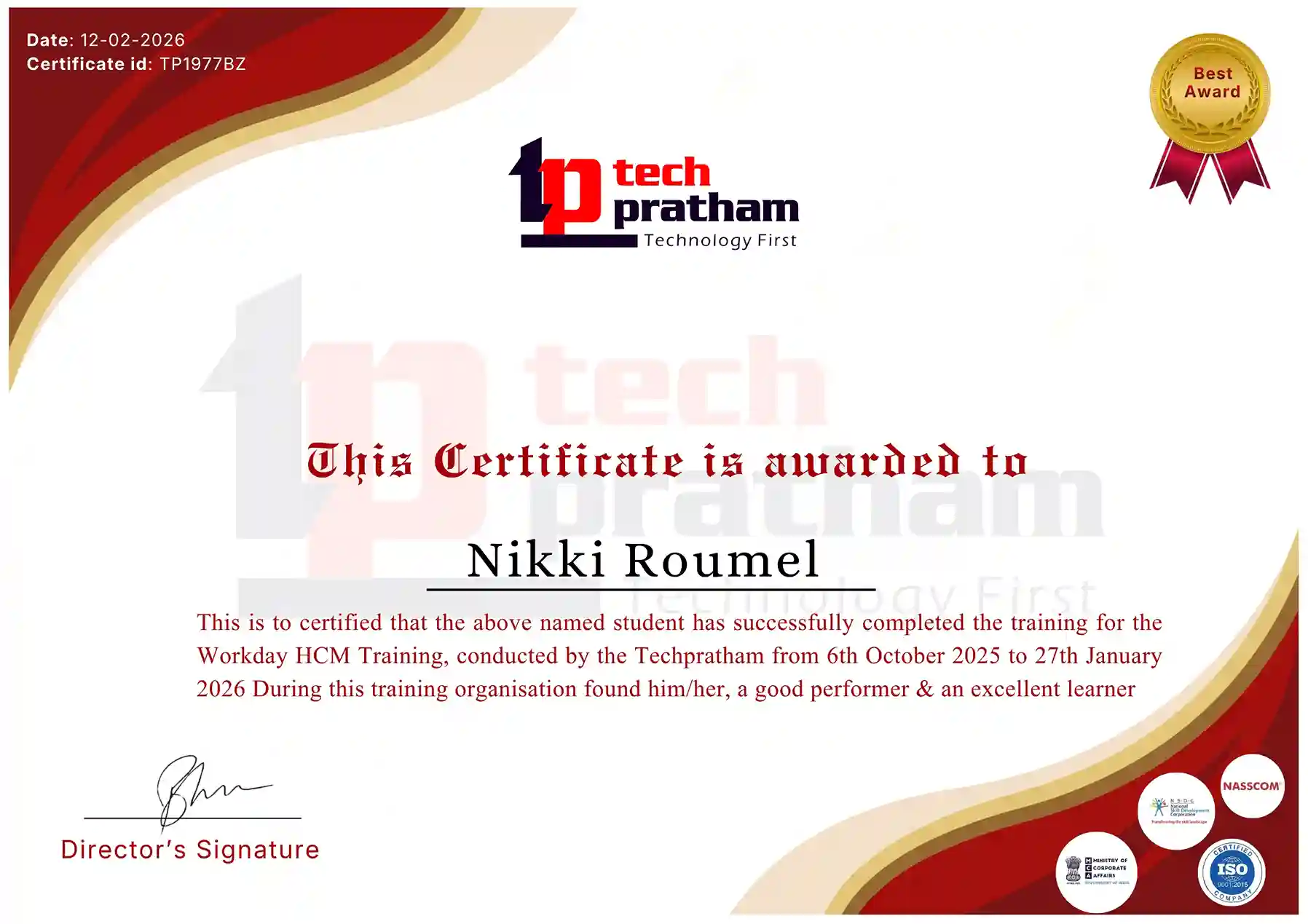
Industry-Recognized Certification
News Highlights
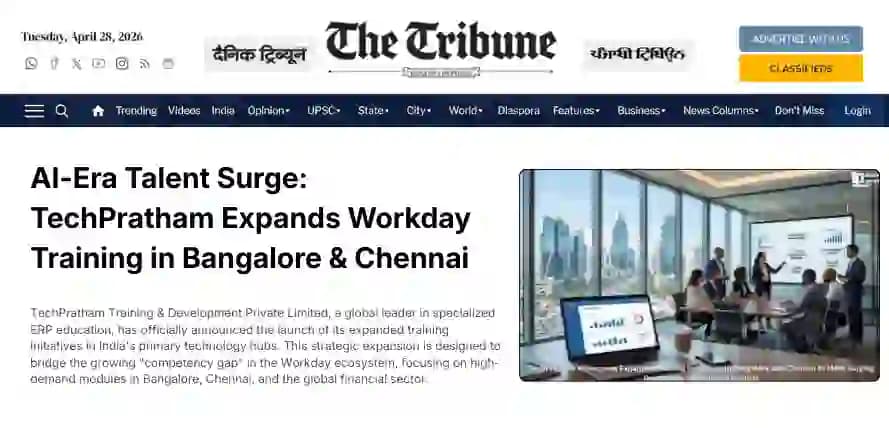
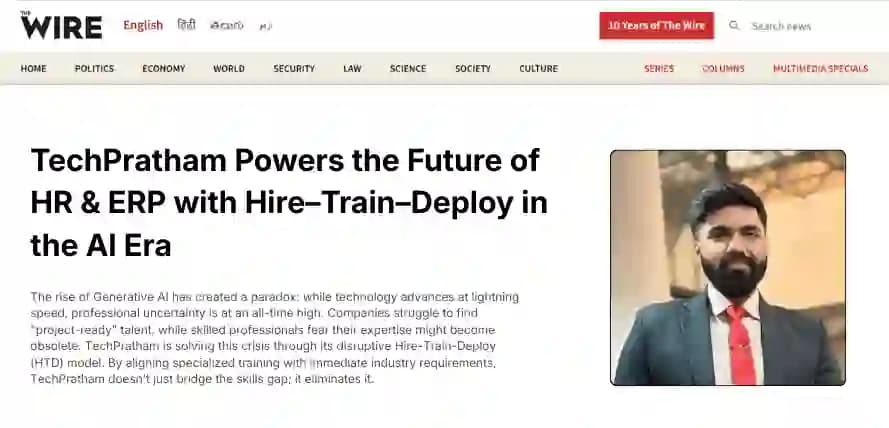
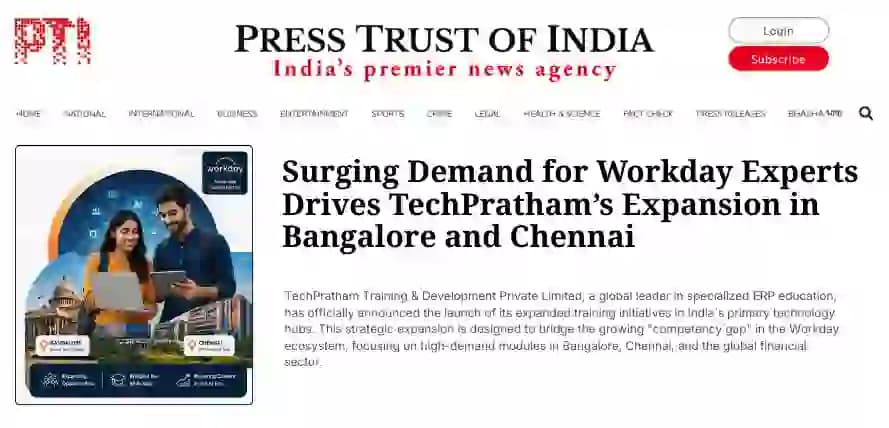
Featured In













India


 View on Google Maps
India
Noida Office
C-2, Sector-1, Noida, Uttar Pradesh - 201301
India
Hyderabad Office
LVS Arcade, 6th Floor, Hitech City, Hyderabad